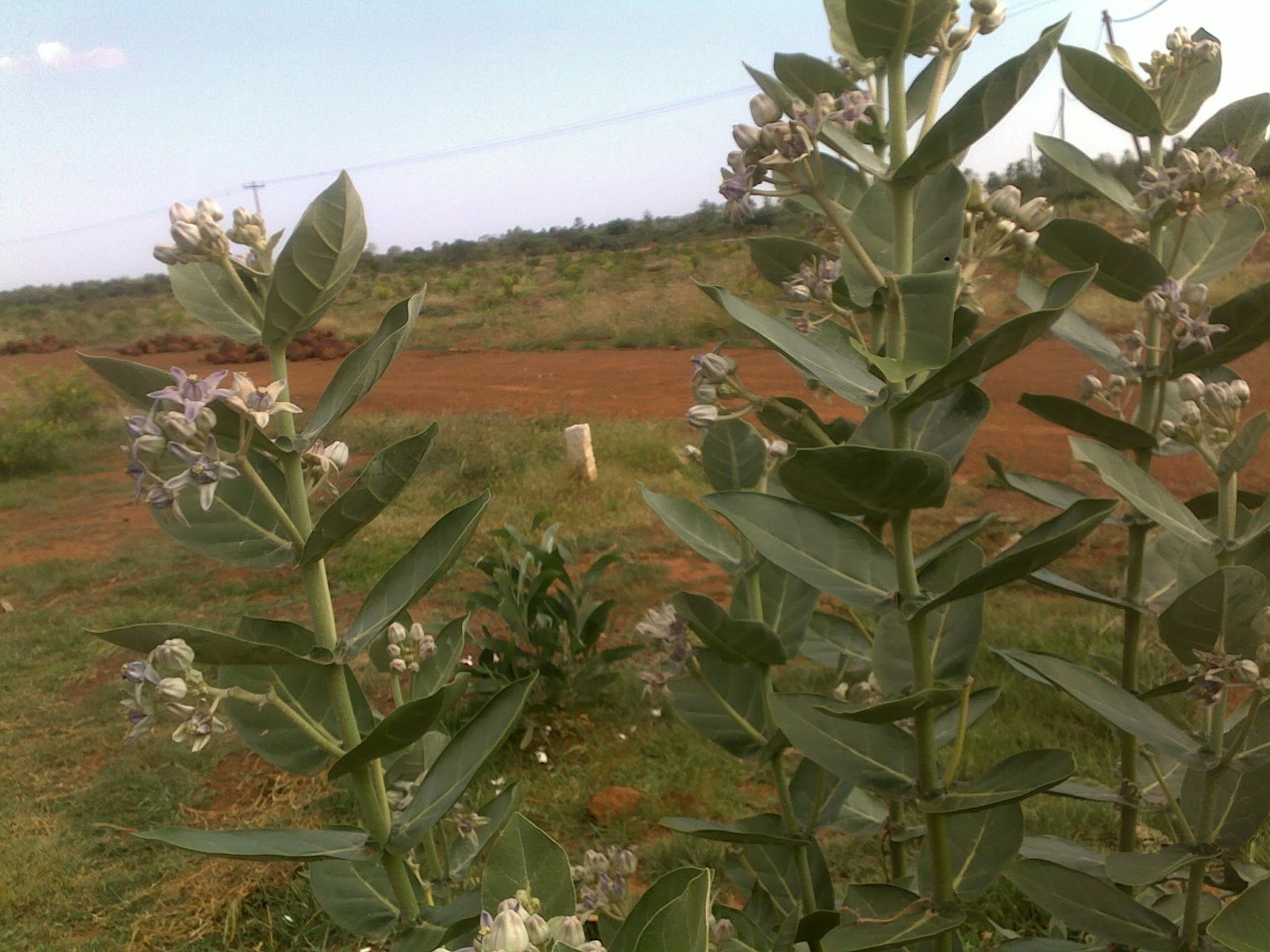
While we gear up to plant another 6 acres of Mango UHD tomorrow, mango saplings from last year turn 1 this week. We have also planted another 20 acres of Melia Dubia (15x15 ft) this past week. Weather conditions have been almost perfect with rains occurring every 3-4 days and reliance on TNEB has been minimal fortunately. We have been experiencing 15-20 hour power cuts for the last few days and you know for certain that it is a power issue when the inverter starts packing up..
Mango saplings from last year have progressed well, especially the Imampasand UHD plot. Alphonsos UHD plot is coming a near second while alphonsos at 5x5m have some catching up to do. Relatively, we have had more mortality in this plot and one of the causes for the mortaility has been due to setting in of Anthracnose.
Anthracnose is a fungal disease that affects stems and branches and results in blackening of tissue. A spray of Bavistin (2g/L) would be a proactive step to reduce the occurrence. However, if the infection sets in, then the stem should be pruned and sprayed (and burn the cut stem, away from the plot)
Following are some pictures of Anthracnose -

 An affected primary branch. If you look closely, a couple of ash weevils can be spotted (bluish-greenish in color). These flies aggravate anthracnose as well. Spray Curacron 1ml/L, followed by Chloropyriphos 1.5ml/L after 15 days.
They are quite destructive on young leaves and will munch away in days..
Problem seems to be under control for now..
 A pruned stem of an affected plant
 Ash weevil - Could not get a more focussed picture with my cell phone camera, but you get the idea..
Following is a link that elaborates on the management of Anthracnose in Mango click here
Both anthracnose and Ash weevil are common but serious issues in mango and proactive measures should be taken to curb the losses. Do let us know if any of you experienced the same and what measures were taken..
Mango saplings from last year have progressed well, especially the Imampasand UHD plot. Alphonsos UHD plot is coming a near second while alphonsos at 5x5m have some catching up to do. Relatively, we have had more mortality in this plot and one of the causes for the mortaility has been due to setting in of Anthracnose.
Anthracnose is a fungal disease that affects stems and branches and results in blackening of tissue. A spray of Bavistin (2g/L) would be a proactive step to reduce the occurrence. However, if the infection sets in, then the stem should be pruned and sprayed (and burn the cut stem, away from the plot)
Following are some pictures of Anthracnose -


They are quite destructive on young leaves and will munch away in days..
Problem seems to be under control for now..


Following is a link that elaborates on the management of Anthracnose in Mango click here
Both anthracnose and Ash weevil are common but serious issues in mango and proactive measures should be taken to curb the losses. Do let us know if any of you experienced the same and what measures were taken..